Profhilo vs Seventy Hyal: Which Skin Booster Is Right for Your Clinic?
Two skin boosters keep coming up in every clinic conversation: Profhilo and Seventy Hyal 2000. Both are injectable hyaluronic acid treatments. Both promise hydration, collagen stimulation, and better skin quality without adding volume. And both have strong patient demand across UK clinics right now.
But they’re not the same product. They differ in molecular weight, HA concentration, injection depth, session count, price, and who they suit best. If you’re a practitioner deciding which to stock, or a patient trying to work out which one fits your skin, this comparison covers the facts you actually need rather than the marketing copy you’ve probably already read.
What Are Profhilo and Seventy Hyal?
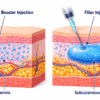
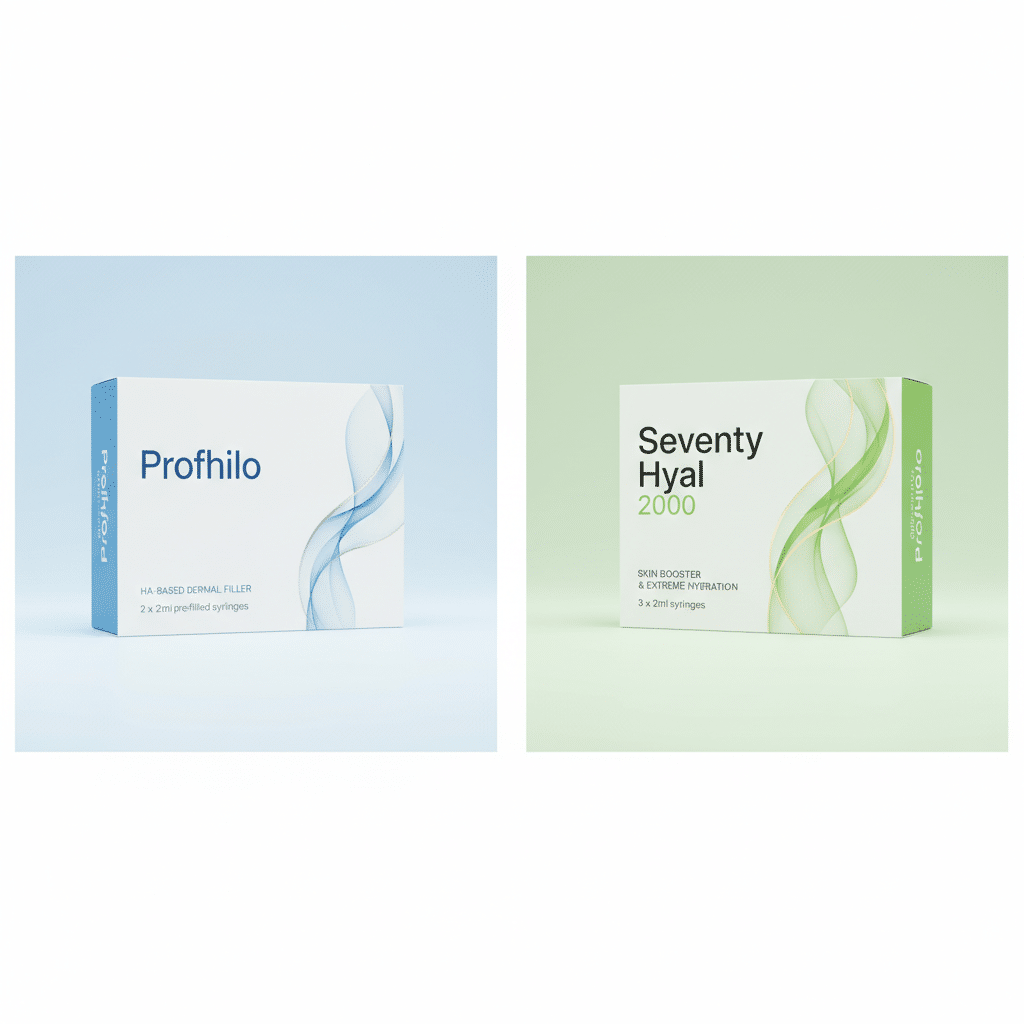
Profhilo is manufactured by IBSA Farmaceutici, an Italian-Swiss pharmaceutical company, using their patented NAHYCO Hybrid Technology. Each 2ml syringe contains 64mg of hyaluronic acid, split equally between high molecular weight (1100–1400 kDa) and low molecular weight (80–100 kDa) HA. The two HA chains are bonded through a thermal process rather than chemical cross-linking, which is why Profhilo is often described as a bio-remodelling treatment rather than a filler. It works in the deep dermis, stimulating four types of collagen and elastin production while spreading beneath the skin to hydrate from within.
Seventy Hyal 2000, manufactured by Seventy BG and distributed in the UK through Fox Pharma, takes a different approach. It uses one of the highest molecular weight hyaluronic acid formulations on the market, at over 2000 kDa. Each box contains three 2ml syringes with a total of 90mg HA (30mg per syringe). It’s injected into the superficial to mid dermis and is also non-cross-linked. Where Profhilo works deeper to remodel and tighten, Seventy Hyal targets hydration and surface-level skin quality more directly, which is why patients often notice an immediate glow after treatment.
How Do They Compare on Formulation?
The molecular weight difference is the single biggest distinction. Seventy Hyal sits above 2000 kDa. Profhilo’s high molecular weight component ranges from 1100 to 1400 kDa. Higher molecular weight HA holds more water per molecule, which is part of why Seventy Hyal delivers that immediate hydration surge patients talk about. Profhilo, on the other hand, packs more total HA per syringe: 64mg in 2ml versus 30mg in 2ml. That higher concentration supports its bio-remodelling action at a deeper tissue level.
Neither product uses BDDE or any chemical cross-linking agent, so both are fully biodegradable and carry low inflammatory risk. Profhilo’s thermal bonding creates a hybrid complex that spreads broadly through tissue rather than sitting at the injection point. Seventy Hyal’s non-cross-linked structure behaves similarly but at a shallower depth. The practical difference for practitioners: Profhilo is better positioned for structural skin remodelling and tightening, while Seventy Hyal leans toward hydration and surface texture improvement.
Treatment Protocol and Sessions
Profhilo’s standard protocol is two sessions spaced four weeks apart, using the BAP (Bio Aesthetic Points) technique with five injection points per half-face, ten in total. Most patients see noticeable improvement in skin firmness and hydration within two to four weeks of the first session, with full results apparent after the second. Maintenance is a single session every six months. That’s a total of two initial visits, which keeps the time commitment relatively low.
Seventy Hyal typically requires two to three sessions spaced four weeks apart, with some patients needing a fourth depending on their starting skin quality. The injection technique uses multiple points across the treatment area in the superficial to mid dermis. Visible results often appear within days, sometimes even 24 hours, which is faster than Profhilo’s timeline. Maintenance is recommended every 6 to 12 months, depending on how the patient’s skin responds. Patients who want quicker visible change tend to prefer Seventy Hyal for that reason, though they may need more initial sessions to get there.
Results and Longevity
Profhilo’s results generally last around six months after a completed two-session course. In that time, the skin shows improved firmness, reduced fine lines, better elasticity, and a healthier tone across the treated area. Because it stimulates collagen and elastin at a structural level, the quality improvement tends to hold well before gradually fading. Patients with more mature skin or significant laxity often see the most dramatic difference.
Seventy Hyal claims a longer window: six to twelve months of results from a completed course, depending on the individual. The hydration effect is visible faster and the radiance patients talk about is often the first thing they notice. For younger patients, those in their mid-twenties to mid-thirties, Seventy Hyal is often the better starting point because the skin hasn’t yet reached the stage where deep bio-remodelling is needed. It’s really a case of matching the product to the problem rather than assuming one is universally better.
Price and Value
Profhilo typically costs between £250 and £600 per session at UK clinics, with a two-session course ranging from roughly £500 to £900. The price reflects IBSA’s established brand, the patented NAHYCO technology, and Profhilo’s position as the original bio-remodelling injectable. For clinics, the wholesale cost per syringe is higher than most skin boosters, which feeds into the patient-facing price.
Seventy Hyal comes in at a noticeably lower price point, with single session costs often around £120 to £200. A full course of two to three sessions can run between £250 and £500, making it significantly more accessible for patients on a tighter budget. For clinics, the lower per-unit wholesale cost also means healthier margins at a competitive patient price. If budget is a real factor in the treatment decision, Seventy Hyal offers a strong skin booster experience at a fraction of Profhilo’s cost.
Which One Should You Choose?
The honest answer is that these two products serve overlapping but different patient profiles. Profhilo is the stronger choice for patients over 35 with visible skin laxity, loss of firmness, or crepey texture who want structural bio-remodelling alongside hydration. Its deeper injection depth and collagen-stimulating mechanism make it the go-to for anti-ageing facial rejuvenation where tightening is the priority.
Seventy Hyal suits a wider age range, from 18 upwards, and is a better fit for patients whose main concern is dull, dehydrated skin, uneven texture, or early fine lines. It’s also a strong first skin booster for patients who haven’t tried injectable treatments before, partly because of the lower cost and partly because the results are visible quickly. Many clinics stock both and recommend one or the other based on the consultation. Some even combine them in a treatment plan: Profhilo for structural remodelling, followed by Seventy Hyal for surface hydration and glow. The products complement each other rather than compete.
Where to Buy Profhilo and Seventy Hyal Wholesale in the UK
Trusted Medicare supplies both Profhilo and Seventy Hyal 2000 to aesthetic clinics and qualified practitioners across the UK, with wholesale pricing and next-day delivery from our Birmingham base. Whether you’re stocking one product or both, ordering through a verified UK supplier protects your clinic from counterfeit stock and supply-chain uncertainty.
Register a professional account at trustedmedicare.co.uk to browse current stock and pricing, or call 0121 389 4915 for bulk quotes and standing-order arrangements. Birmingham and West Midlands clinics benefit from fast local dispatch, and our team can advise on which products to pair for your treatment menu.
Frequently Asked Questions
Which lasts longer, Profhilo or Seventy Hyal?
Seventy Hyal results can last 6 to 12 months from a full course, while Profhilo typically lasts around 6 months before a maintenance session is needed. Individual results vary with skin type, age, and lifestyle factors.
Is Seventy Hyal better than Profhilo?
Neither is objectively better. Seventy Hyal excels at hydration and surface glow at a lower price point. Profhilo is stronger for skin tightening and deep bio-remodelling. The right choice depends on the patient’s age, skin condition, and treatment goals.
Which treatment is better for mature skin?
Profhilo is generally the stronger option for mature skin because it works at a deeper level to stimulate collagen and elastin, addressing laxity and firmness loss. Seventy Hyal can complement it for added hydration.
Can Profhilo and Seventy Hyal be combined?
Yes. Many practitioners combine both in a treatment plan. Profhilo handles structural remodelling while Seventy Hyal delivers surface hydration and radiance. They target different depths and can be scheduled in the same treatment programme.
Which skin booster gives faster results?
Seventy Hyal tends to show visible results faster, often within 24 hours to a few days. Profhilo’s results develop more gradually over two to four weeks as collagen remodelling takes effect.
How many sessions of Profhilo or Seventy Hyal are needed?
Profhilo requires two sessions four weeks apart. Seventy Hyal requires two to three sessions, sometimes four, spaced four weeks apart. Both need maintenance sessions every 6 to 12 months after the initial course.
Which treatment offers better value for money?
Seventy Hyal is the more affordable option, with courses typically costing £250 to £500 compared to £500 to £900 for Profhilo. Value depends on individual priorities: budget, skin condition, and the specific results you’re after.
Are Profhilo and Seventy Hyal suitable for all skin types?
Seventy Hyal is suitable for adults aged 18 and over with all skin types. Profhilo is generally recommended for patients aged 30 and above who are experiencing early to advanced signs of skin ageing and laxity.
What are the side effects of Profhilo and Seventy Hyal?
Both treatments share similar mild, temporary side effects: redness, swelling, tenderness, small bumps at injection sites, and occasional bruising. These typically settle within a few days. Serious complications are rare when treatment is carried out by a trained practitioner.