Why Are Polynucleotides Use Under Eyes?
Under the eyes, polynucleotides are used to address crepey texture, fine lines and dull, thinning skin by stimulating collagen and elastin production at a cellular level. Dedicated formulations such as Vitaran Eyes and Plinest Eye are built specifically for this thin, delicate zone, at lower volumes than full-face products. Results build gradually across a short course rather than appearing after one session.
Why Practitioners Choose Polynucleotides for This Area
The skin under the eyes is thinner than almost anywhere else on the face, with minimal fat padding and vessels sitting close to the surface, which rules out many standard-strength injectables. Polynucleotides work through cell signalling rather than adding bulk, which makes them a naturally better fit for tissue this delicate.
Rather than plumping the area with hydration, PN formulations stimulate the skin’s own fibroblasts to rebuild collagen and elastin gradually. That approach addresses the crepiness and fine lines clients complain about most, without the risk of a puffy or bluish look that can come from placing the wrong product too superficially in thin tissue.
Plinest Eye vs Vitaran Eyes: What’s the Difference?
Both are polynucleotide products built specifically for the periorbital area, formulated at lower volumes and adjusted concentrations compared with full-face versions. Plinest, made by the Italian manufacturer Mastelli, uses purified trout DNA, while Vitaran Eyes uses a similarly purified PDRN base marketed by its manufacturer as one of the highest PN-per-ml concentrations available for this specific indication.
In practice, the meaningful differences between eye-specific PN brands come down to pack size, exact concentration and the training or certification a supplier requires before a clinic can purchase. Practitioners should always check the current SmPC or IFU for the specific product they’re using rather than assuming two eye-area formulations behave identically.
Are Polynucleotides Good for Under-Eye Wrinkles?
Yes, this is one of the more consistently reported benefits in clinic feedback. By stimulating fresh collagen and elastin, the treatment gradually reduces the appearance of fine surface lines and improves the skin’s overall resilience and texture.
Results aren’t instant, which is worth setting as an expectation before treatment starts. Most clients notice initial improvement from the second session in a course, with fuller results settling in over the following weeks as collagen synthesis continues to build.
Can Polynucleotides Improve Thin Under-Eye Skin?
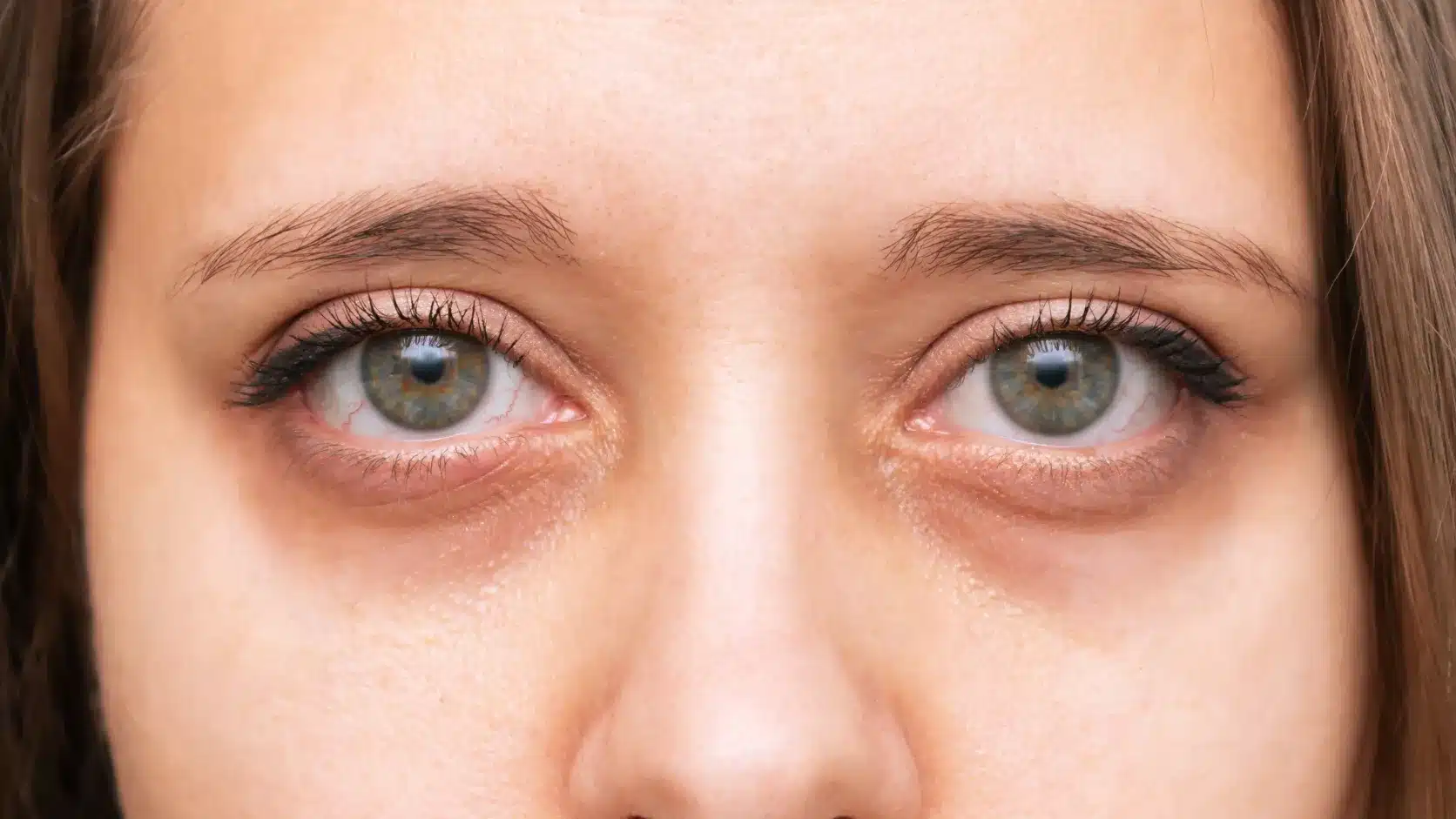
Thin, crepey under-eye skin is arguably the ideal presentation for this treatment, since the mechanism directly targets the collagen and elastin loss that makes skin feel fragile and look creased. Improving tissue quality here also tends to make any existing hollowing look less pronounced, even without adding volume.
It’s not a substitute for volume correction where a genuine tear-trough deficit exists. Clients with a structural hollow alongside thin skin may need a combination approach, PN for skin quality and an appropriately indicated filler for the hollow itself, assessed by a suitably trained practitioner.
Do Polynucleotides Help With Dark Circles and Eye Bags?
They can meaningfully brighten the appearance of dark circles by improving skin thickness and quality, since thinner, more translucent skin tends to show the underlying blood vessels and pigment more clearly. As the tissue rebuilds over the course of treatment, that shadowing effect often softens, and clients frequently report the area looking less tired even before any measurable change in pigment.
True eye bags, caused by fat pad protrusion rather than skin quality, won’t resolve with polynucleotides alone. Setting this distinction clearly at consultation avoids a client feeling misled when the puffiness itself doesn’t change, even as the surrounding skin visibly improves, and it protects the clinic from an unrealistic expectation that was never part of what the treatment does.
How Many Under-Eye Treatments Are Needed?
Most manufacturers and clinics recommend a course of two to three sessions, spaced two to four weeks apart, matching the standard protocol used for polynucleotides elsewhere on the face. This spacing gives fibroblasts time to respond between visits rather than overloading the tissue.
- Session 1: establishes the baseline response, minimal visible change expected at this stage
- Sessions 2 to 3: cumulative improvement becomes more visible, particularly in texture and fine lines
- Maintenance: typically one session every six to nine months once the initial course is complete
How Long Do Results Last?
Under-eye polynucleotide results commonly last six to nine months, broadly in line with PN treatment elsewhere on the face, though individual longevity varies with skin condition, sun exposure and general lifestyle factors including sleep and hydration habits.
Clients on a maintenance plan generally return for a single top-up session before results have fully faded, rather than waiting for the effect to disappear completely and starting the course again from an earlier baseline. Booking that maintenance visit at the end of the initial course, rather than leaving it to the client to remember, tends to improve long-term retention.
Are Under-Eye Polynucleotide Treatments Safe?
With a trained practitioner and genuine, CE-marked stock, the safety profile is strong. Bruising is the most commonly reported side effect in this area, with swelling far less frequent than seen with volumising fillers placed in the same zone.
Sourcing matters more here than in almost any other treatment area, given how close the injection sits to delicate vasculature around the eye. Clinics should be able to trace every batch of under-eye product back to a licensed UK wholesaler, not an unverifiable online reseller.
Frequently Asked Questions
These are the specific questions clients most often ask before booking an under-eye polynucleotide treatment.
Yes, they stimulate collagen and elastin production, which gradually reduces the appearance of fine lines and improves skin resilience.
Yes, the mechanism directly targets the collagen and elastin loss responsible for fragile, crepey texture in this area.
A dedicated eye-specific formulation such as Vitaran Eyes or Plinest Eye, rather than a general full-face PN product.
Most protocols recommend two to three sessions, spaced two to four weeks apart.
Commonly six to nine months, depending on the individual and lifestyle factors such as sun exposure.
They can soften the appearance of dark circles by improving skin thickness, though they don’t address pigment-based causes directly.
They improve skin quality and thickness but won’t resolve true fat-pad eye bags, which need a different treatment approach.
Yes, when performed by a trained practitioner using genuine, traceable stock, with bruising the main reported side effect.